
Three multicultural techniques I keep reaching for: a scalp cleanse that resets buildup, a silk-lined setup that saves edges, and a gentle wash-day detangle.
The pre-wash scalp cleanse that fixes the “my shampoo stopped working” feeling
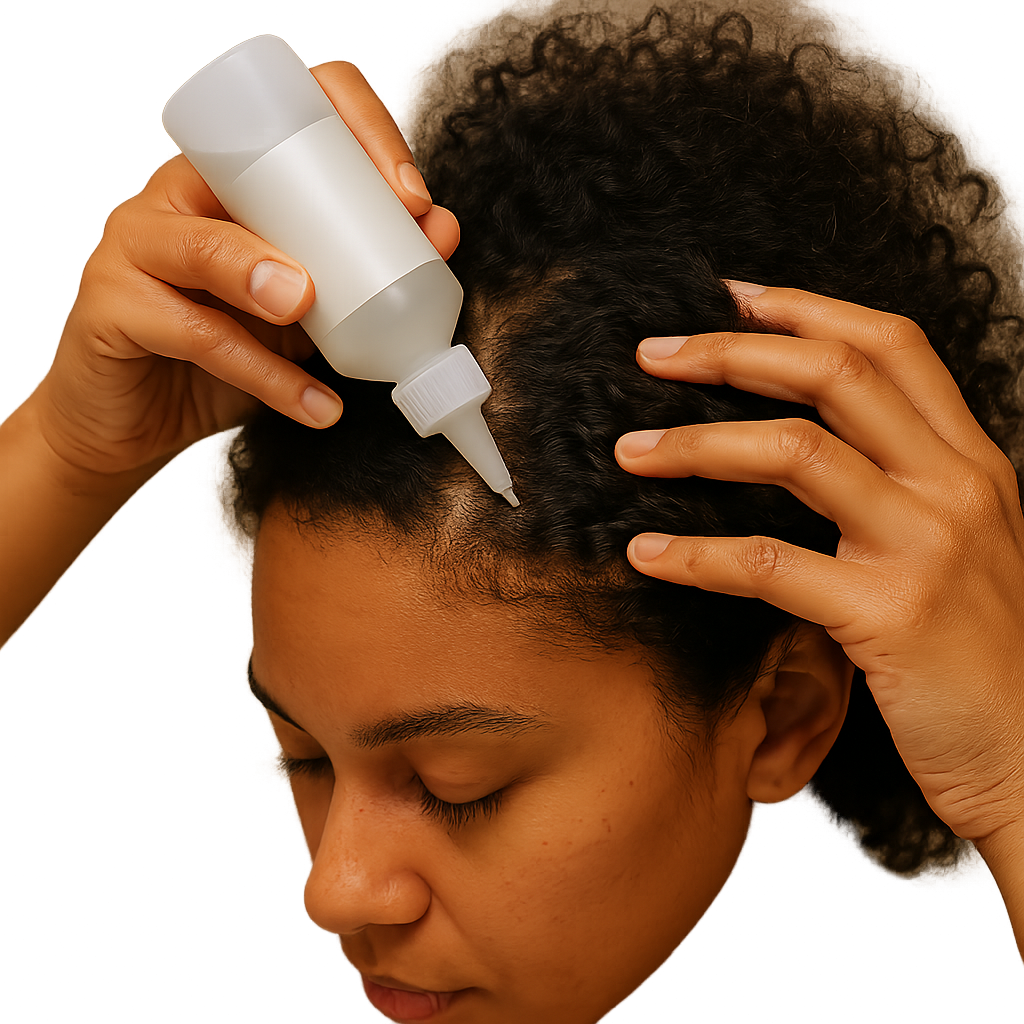
When people tell me their hair feels “waxy” or their curls look like they forgot how to curl, nine times out of ten it is not a mystery. It is buildup plus a scalp that is irritated from trying to wash harder. The trick I borrowed from wash-day routines across a bunch of textures is to treat the scalp like skin for five minutes before you even turn the water on.
I do this on dry hair, in sections, with a pointed applicator bottle so I am not dumping product on the lengths. You can use a dedicated scalp serum (The INKEY List Salicylic Acid Exfoliating Scalp Treatment is a common one), or a very basic option like a diluted apple cider vinegar rinse if your scalp tolerates it. I am careful here: acids and fragrance can sting on a compromised scalp, so I patch test and I skip it entirely if I have raw spots or a flare. This is not about “burning” anything off. It is about loosening product film and getting to the roots without shredding your ends in the process.
My routine is simple: part, apply to the scalp, massage with the pads of my fingers for about one song, then let it sit while I set up the shower. The massage matters more than the brand. I keep my nails out of it because scratching is how I end up with that tight, sore feeling later. Then I shampoo like normal, but I focus the lather on the scalp and let the suds rinse through the lengths. If I’m clarifying, I like a straightforward clarifier like Neutrogena Anti-Residue Shampoo once in a while, not every wash, because overdoing it makes my hair feel like it is squeaking and then I over-condition to compensate.
The first time you do this, the surprise is how quickly your shampoo starts behaving again. Less product. Better foam. Rinse feels clean instead of coated. And if you wear gels or edge control, this is the difference between “why is my head itchy” and “oh, that’s what clean feels like.”
Silk-lined everything: the edge-saving swap that doesn’t change your style

I resisted satin bonnets for years because I thought they would make me feel like I was wearing a costume to bed. Then a friend with long locs said, very calmly, “You don’t have to change your whole personality. Just stop dragging your hair across cotton for eight hours.” Annoyingly correct.
The multicultural innovation here is not the fabric itself. It is the way different communities treat protection as non-negotiable, not a “nice if you remember” add-on. If you have any kind of texture, chemical processing, heat styling, or a hairline that acts fragile, you can steal this and keep your daytime look exactly the same.
My starter kit is boring on purpose: a silk or satin pillowcase (Slip is the splurge option, but there are plenty of decent ones), plus a wide, soft headband or scarf for nights I can’t deal with a full bonnet. If I am wearing braids or twists, I use a bigger bonnet so I’m not compressing the style and creating frizz exactly where the elastic sits. For straightened strands, I wrap it (a simple doobie wrap) and then cover it. For curls, I do a loose pineapple with a scrunchie that has glide, not a tight elastic. The point is to reduce friction and keep moisture from evaporating so fast, not to mummify your head.
Two small details that made this stop feeling fussy: I keep a bonnet in my bedside drawer like it’s chapstick, and I bought one with a wider band so it doesn’t creep up and saw at my hairline. Also, if your edges are already stressed, be picky about anything with tight elastic. A slightly looser fit that stays put is better than a tight one you rip off at 2 a.m.
The payoff isn’t a miraculous “growth” claim. It’s more specific: less lint stuck in your hair, fewer snapped little lockss around your temples, and curls that still look like curls on day two without me re-wetting half my head in the sink.
Detangle in the shower, not in your lap
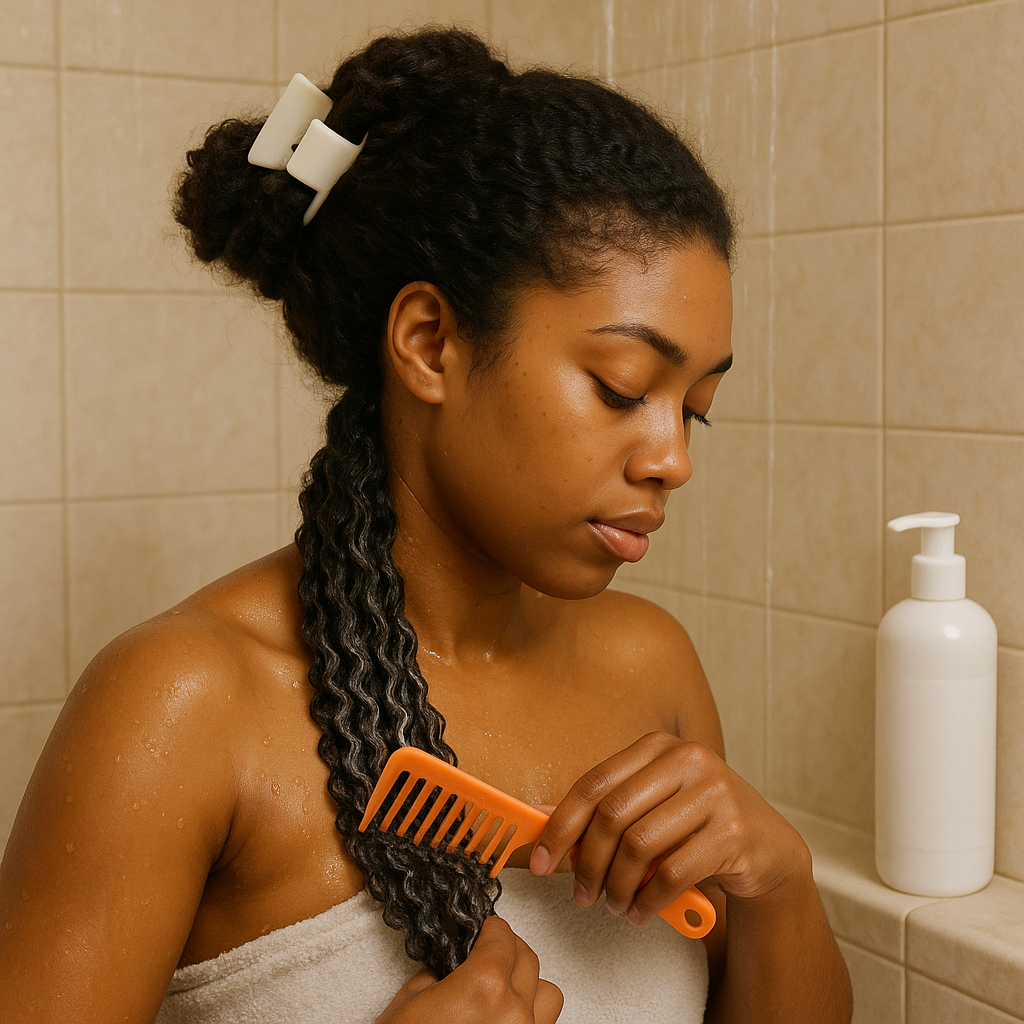
I used to detangle on a towel with my hair drying into a sticky, tangled mess while I tried to be “gentle.” It felt virtuous and it was also when I heard the most snapping. The shift I learned from textured-ends routines is to detangle where you have constant slip and the water is doing half the work for you: in the shower, with conditioner, in sections, and with zero rush.
Here’s what I do now. After shampoo, I squeeze out excess water so I’m not diluting my conditioner into nothing, then I apply a generous amount from mid-length to ends first. For slip, I like conditioners that are known for it (Aussie Miracle Moist and SheaMoisture Manuka Honey & Mafura Oil are common standbys), but any conditioner that makes your hair feel like it can slide on itself will do. I clip the top half up with a big claw clip and work the bottom in quadrants.
Tool choice matters. A wide-tooth comb is great for thick, tight curls and coils when you’re patient; a flexible detangling brush (like a Felicia Leatherwood-style brush or a Tangle Teezer made for wet strands) is faster on looser curls and waves, but you still have to start at the ends. I keep the section taut with one hand close to the roots so I’m not yanking my scalp, then I detangle ends to roots in short passes. If I hit a knot that doesn’t want to negotiate, I add water and more conditioner and use my fingers first. I don’t “power through” anymore. That’s just breaking hair with confidence.
Once it’s detangled, I twist or clip the section so it doesn’t re-tangle while I’m finishing the rest. That one habit alone is why wash day stopped turning into an arm workout. When I rinse, I leave a tiny bit of conditioner in if my locks are prone to dryness, then I move straight into a leave-in (Kinky-Curly Knot Today is popular for a reason) and whatever styler fits my week.
Detangling like this doesn’t feel like a hack. It feels like a routine someone thought through, because they did.