
From an on-desk mist to a barrier-first night routine, these are the three moves that calm my skin when stress spikes.
The desk-side reset: cold rinse, then bland occlusive
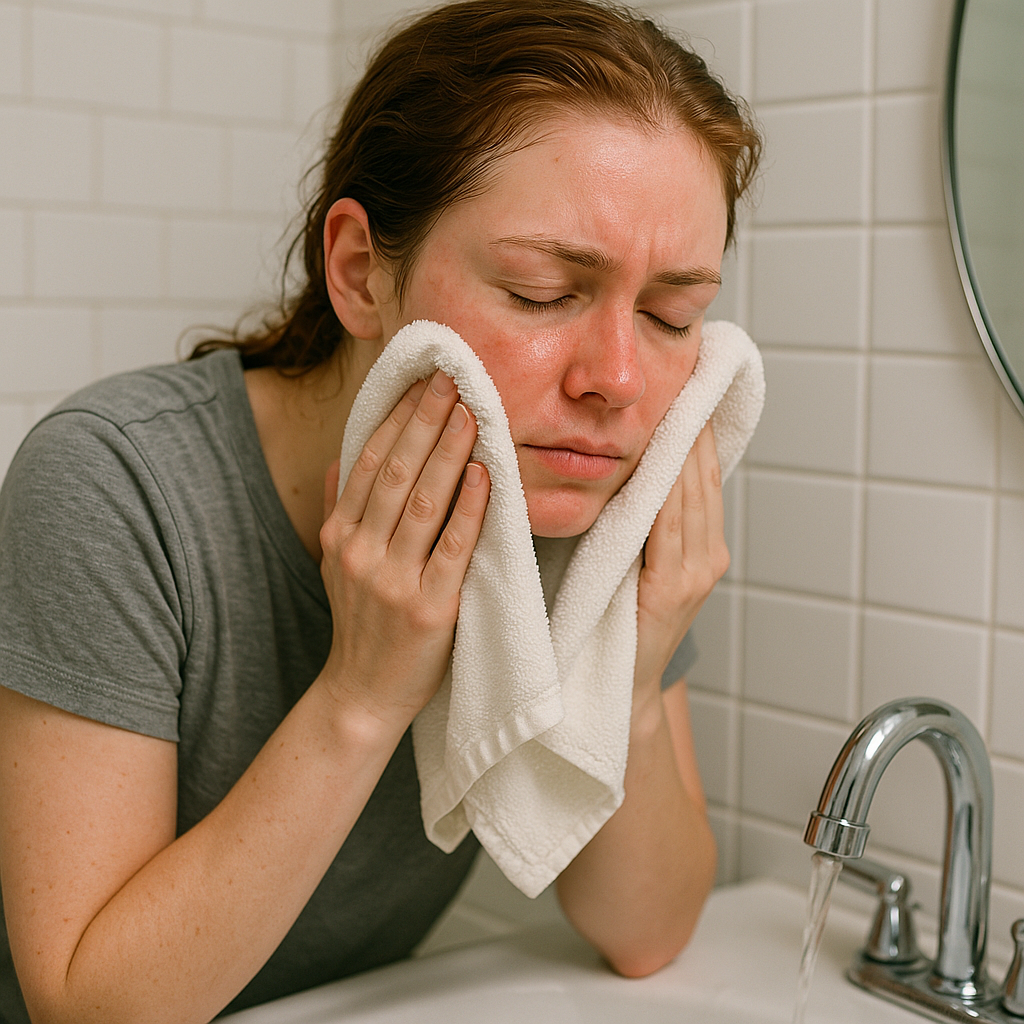
When I’m stressed, my skin doesn’t politely get a little dry. It gets hot, reactive, and weirdly itchy around my nose and mouth, like it’s daring me to make it worse with a “treatment.” The fix that keeps me from spiraling is boring on purpose: I go to the bathroom, rinse with cool (not icy) water for 20 to 30 seconds, and pat until it’s just damp. No cleanser in the middle of the day unless I’ve got makeup sliding off, because over-washing is how I end up with that squeaky, tight feeling that lasts all afternoon.
Then I do one of two things depending on what I can tolerate. If I’m shiny but angry, I use a plain, fragrance-free moisturizer (CeraVe Moisturizing Cream is the one I can buy anywhere) and stop there. If I’m dry and prickly, I add a rice-grain amount of a simple occlusive over the tender spots: Aquaphor or CeraVe Healing Ointment, not a “balm” with essential oils. It’s not glamorous, but it takes the edge off fast, and it keeps me from picking at flaking corners later while I’m thinking.
Two small details make this work in the real world. First, I use clean hands, not whatever was on my keyboard five minutes ago. Second, I don’t layer three products because I’m anxious. When stress is the trigger, my goal is to lower the noise, not audition a new active ingredient at 2 p.m.
One active, one night: my stress-breakout rule
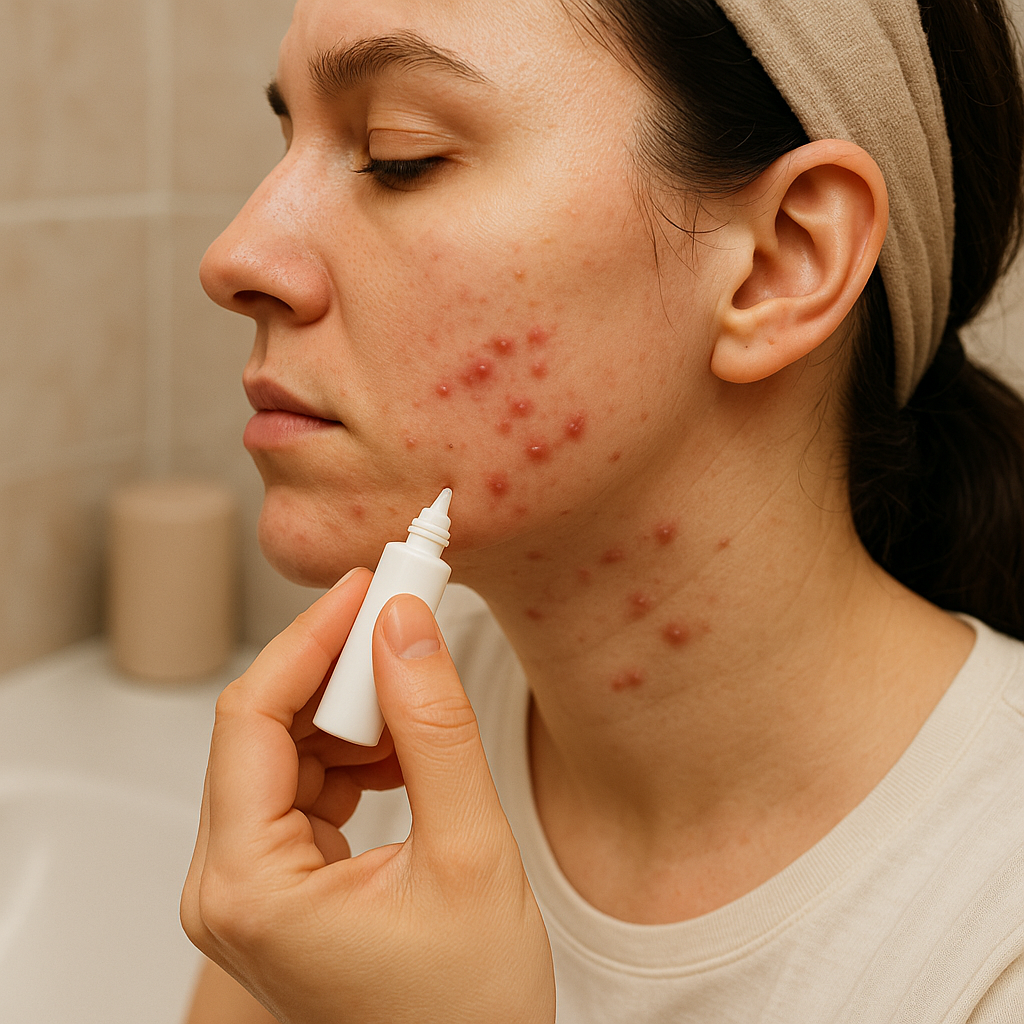
Stress breakouts have a specific vibe for me: deeper, sore spots on my jaw and chin, plus a rough texture that makes foundation catch. The temptation is to throw the whole shelf at it, but that’s how I end up with a breakout and a rash, which is an impressive way to lose two weeks. So I keep a strict rule on high-stress nights: one active ingredient, and only if my skin isn’t already stinging.
If I’m dealing with clogged pores and small bumps, I pick salicylic acid (BHA) and keep it simple. A leave-on like Paula’s Choice 2% BHA Liquid works, but I apply it like I’m paying for it: a thin layer, mostly on the areas that are acting up, not my entire face by default. If it’s more inflamed pimples, I skip the all-over approach and spot treat with benzoyl peroxide (2.5% is plenty for me). The thing I do not do is stack BHA + benzoyl peroxide + a retinoid in the same night because I’m stressed and impatient. That’s not “being thorough.” That’s asking for peeling.
Then I put the boring stuff back on top: a basic moisturizer and, if I feel that tightness around my mouth, a dab of ointment just where it pulls. I also change my pillowcase more often when I’m in a bad week. Not because a fresh pillowcase is a magic shield, but because the greasy hair product residue and face sweat combo is real, and I can feel it on my cheek by the third night.
If you know you react to certain actives, or you’re pregnant or nursing, this is where you follow your clinician’s guidance. My point isn’t “use this chemical.” It’s the discipline of not turning stress into a chemistry experiment.
Hairline and scalp flare-ups: the shampoo I rotate in
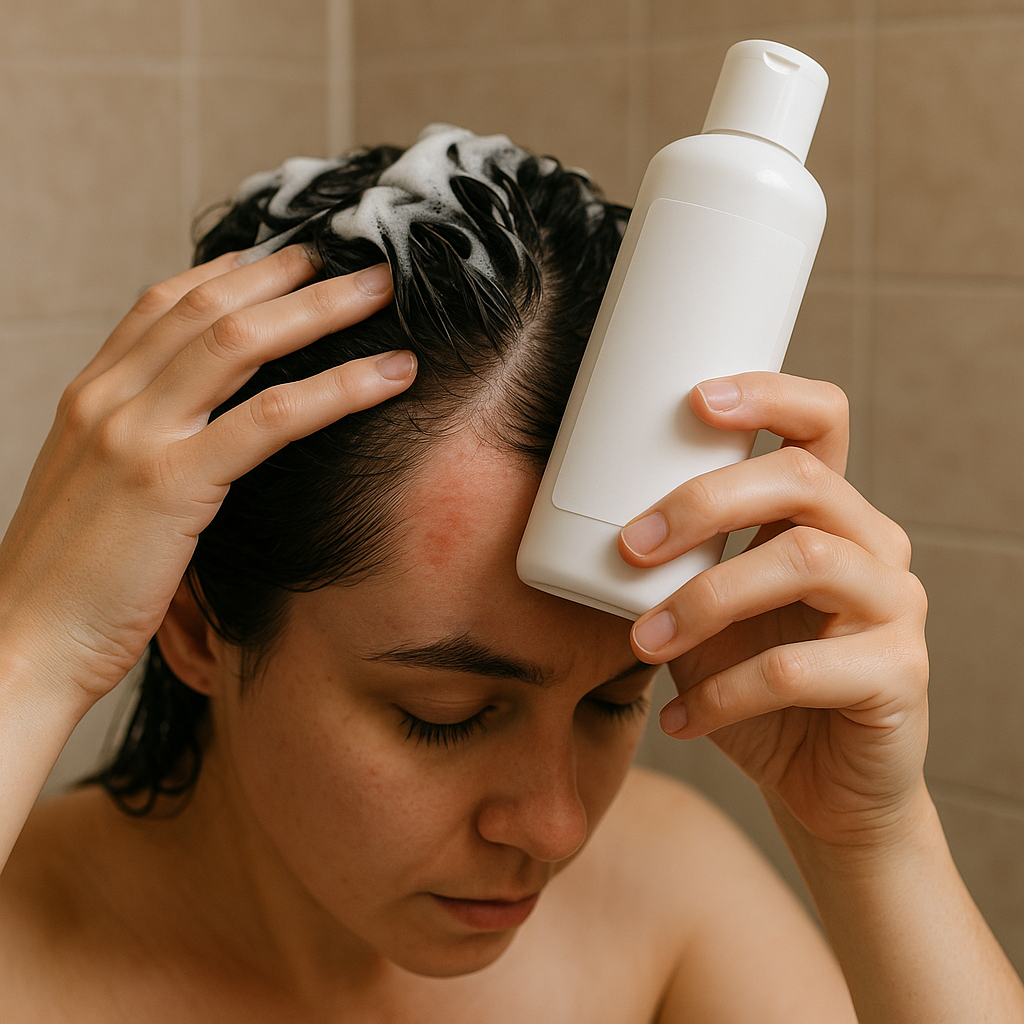
My tell that I’m stressed isn’t just my face. It’s that specific itch at the crown and along the hairline that makes me want to “scrub harder” in the shower, which only turns it into a tight, angry situation. When this happens, I stop treating my scalp like it’s dirty and start treating it like skin that’s irritated.
The practical move: I rotate in an anti-dandruff shampoo for a couple washes, even if the flakes aren’t dramatic. Nizoral (ketoconazole) is the one I’ve had the most consistent luck with, and Head & Shoulders (zinc pyrithione formulas vary by product) is easy to find if I need something fast. I work it into the scalp, not the lengths, and I let it sit for about 3 to 5 minutes while I do the rest of my shower. If I rinse it out immediately, I might as well have used my regular shampoo. Afterward, I use a normal conditioner on the mid-lengths and ends only, because conditioning my roots is how I get that heavy, itchy feeling by noon.
A few things I avoid during a flare: heavy dry shampoo buildup, fragranced scalp “tonics” that tingle, and super-hot water. I also check my styling products. When I’m stressed, I use more of everything without noticing, and a waxy edge control or thick leave-in can creep onto the hairline and make the complexion there look bumpy and red.
If the itch is intense, persistent, or you’re seeing hair loss or open sores, that’s beyond my home routine. But for the run-of-the-mill stress flare, this rotation keeps me from scratching like a raccoon and making it worse.