
The One Beach Scene That Turned Bo Derek Into a Pop Culture Fixture

Derek's biggest, most lasting stamp on pop culture traces back to 10 in 1979. That famous beach run hit like a lightning bolt, instantly turning into the movie’s signature image and a reference point people still bring up decades later. A couple of years after that, she stayed in the spotlight with 1981’s Tarzan, the Ape Man, a high-profile project that cemented her as a headline-making presence of the era.
In the early 1980s, her connection to modeling strengthened, with fashion photographers leaning into her bold, recognizable look. Beyond the cameras, her love for horses provided structure during ranch years. Away from Hollywood, Derek became a dedicated animal welfare advocate, working with organizations that promote horse welfare and wildlife conservation. She has also served on the California Horse Racing Board, reflecting her lifelong passion for horses.
The One Vintage Photo That Explains Kim Novak’s Cool

Novak brought a rare kind of quiet confidence to mid-century movies, the sort of screen calm that still pulls you in. She really broke through with Picnic, where her low-key intensity made her feel modern in a way audiences were not used to yet. Then came Vertigo, and Hitchcock put her at the center of a tricky, two-sided performance that turned into one of cinema’s most unforgettable illusions. It was not loud or showy, it was magnetic, and that’s exactly why it worked.
Long before Hollywood tried to box her in, art was already part of her life in Chicago, and you can feel that visual instinct in how she plays emotion, subtle and precise. Studio life came with punishing schedules and heavy expectations, which helped forge the toughness associated with her. By 1980, the actor leaned more into painting, choosing a quieter, more personal creative space away from the spotlight.
The One Oscar-Nominated Role That Put Terry Moore on Everyone’s Radar

Moore was never built for blending in. She broke through in 1949 with Come to the Stable, earning an Academy Award nomination. Soon after, audiences fell for her in Mighty Joe Young, a big, adventurous crowd-pleaser with tender moments. She had that mix of charm and backbone that made scenes feel alive.
Her drive showed early; as a kid, she gained confidence through stage work. By the 1950s, she was interested in aviation, working toward a pilot’s license. Later, her marriage to Howard Hughes caught headlines. When stories resurfaced in 1980, it reminded people there was always more to her than a single era of Hollywood.
What’s the Secret Behind David Attenborough’s Spellbinding Nature Films?

For decades, audiences watched Attenborough turn wildlife filmmaking into pure wonder, rewriting how nature stories get told. He's guided viewers from polar seas to rainforests, most famously in the landmark series Planet Earth. That production, with its gorgeous footage, pushed global natural awareness and won Emmy Awards for its scale and imagery. The groundwork was laid earlier with 1979’s breakthrough, Life on Earth.
His work brought scientific discoveries into living rooms worldwide, making complex ideas exciting. A long stretch of BAFTA recognition followed, reflecting a career powered by curiosity. Shoots meant going to remote places where weather and wildlife do not care about schedules. Crews talk about sudden storms requiring quick thinking. In 2020, the feature A Life on Our Planet delivered sharp environmental warnings based on decades in the field.
The One Big-Cat Sanctuary That Says Everything About Tippi Hedren

When Hedren starred in 1963’s The Birds, she controlled the film with a cool energy that played against the chaos, especially as Hitchcock increased the suspense. Then, in Marnie, she tackled darker, psychological material, maintaining her calm demeanor. These demanding roles required stamina, balancing choreography with unpredictability.
Her breakout was noticed, earning her a Golden Globe for New Star of the Year. Eventually, she expanded her focus to animal welfare, founding the Shambala Preserve in 1983 as a sanctuary for big cats. She returned to TV in 2006 with a role on Fashion House, proving her screen presence remained compelling.
The One TV Role That Turned John Astin Into a Household Name

In 1964, Astin appeared on TV and instantly felt familiar. As Gomez Addams on The Addams Family, he combined wit with perfect timing, making the show memorable. His performance was warm and mischievous, a quality he carried into films like Freaky Friday (1976). There, he brightened every scene without overshadowing the film.
Astin was versatile beyond sitcoms. In 1971, he gained attention for the one-man play Edgar Allan Poe, showcasing different character work. He expanded into directing and teaching, joining Johns Hopkins in 1998 with a practical teaching approach. Many recognize his voice from animation, including Justice League Action. He even appeared as the Riddler on Batman in 1967.
The 1967 Movie That Turned Mel Brooks Into a Comedy Wrecking Ball

When The Producers hit theaters in 1967, it revolutionized mainstream comedy. Brooks didn't just seek laughs; he aimed for sharp satire, and audiences loved the boldness. He continued with Blazing Saddles, a fearless hit testing taste limits. In 1974, Young Frankenstein showed his skill in mixing parody with enduring performances.
Hollywood quickly noticed. In 1968, he won an Academy Award for Best Original Screenplay, affirming his daring style. His influence extended beyond movies. In 1965, Get Smart, a TV series he co-created, showcased his punchy wit. Decades later, The Producers was revived on Broadway as a hit musical. He continues captivating audiences, voicing roles like the Shogun in Paws of Fury in 2022.
The One Detail About Ann-Margret (Born 1941) That Explains Her Staying Power

When Ann-Margret hit Hollywood in the early 1960s, musical movies didn’t just get perkier, they snapped into color. She made a huge splash in 1963’s Bye Bye Birdie, bringing can’t-look-away energy that matched the decade perfectly. Then came Viva Las Vegas, and her electric back-and-forth with Elvis Presley turned a fun film into a pop culture moment.
She didn’t stay boxed into the sing-and-dance lane, either. Carnal Knowledge earned her an Academy Award nomination for a performance that pivoted fast and hit hard emotionally. In the 1970s, she packed venues with concerts. Honors followed, including the SAG Life Achievement Award. Later, she brought a sharper edge to TV with a standout turn on Law & Order: SVU in 2010.
The 1925-Born Entertainer Who Still Makes People Smile, Guess Who?

Van Dyke has that rare, across-the-ages kind of appeal, with easy charm and razor-sharp timing. He broke out in 1961 with The Dick Van Dyke Show, a series that helped shape the modern sitcom. In 1964, Mary Poppins displayed his athletic dancing and playful energy, turning him into a big-screen favorite.
By 1965, he had a Grammy for the movie’s soundtrack, a family staple for years. Away from the camera, Van Dyke also thrived on stage, including national tours and a Special Tony Award in 1974 for his theater influence. Decades later, he returned to the "Poppins" universe in 2018 with Mary Poppins Returns, proving his brand of entertainment still captivates.
The Surprising Trophy That Put Eva Marie Saint on the Map

Saint didn't storm into Hollywood with fireworks; she slipped in with a calm, confident presence that drew attention. Audiences truly noticed her in 1954’s On the Waterfront, where her honest and raw portrayal without overacting earned her an Academy Award. This win established her reputation for making big emotions feel real, like watching a person, not a performance.
Hitchcock expanded her range with North by Northwest, allowing her to combine cool precision with nail-biting suspense. On set, people noted her focus and composure, even in complex scenes. Years later, in 1990, she won a Primetime Emmy, showing versatility beyond one era or style. She ventured into voice work too, like in Nickelodeon's The Legend of Korra in 2012, showcasing her lasting screen presence.
The One Detail in Linda Evans’ Career That Still Stops People Mid-Channel Flip

If you grew up on TV’s glossy, big-hair era, you remember Evans for her calm confidence, commanding attention even in shared scenes. She made her mark in 1965 with The Big Valley, portraying a strong character handling drama with ease. Then Dynasty came, making her synonymous with Krystle Carrington and her steel-under-silk intensity, turning her into a cultural icon.
The role brought fame and awards, including a Golden Globe, cementing her as a true professional. Her poise stemmed from drama classes at Hollywood High, teaching her to remain calm under pressure. In the 1980s, Evans embraced health and fitness, sharing popular routines, adding to her allure. Her marriage to John Derek kept her immersed in creative circles, influencing her perspective for years.
The One Detail on Clint Eastwood’s Resume That Still Surprises People

Once “Rawhide” turned him into a weekly TV fixture in 1959, his rise started to feel less like luck and more like momentum. He rolled that attention straight into Sergio Leone’s westerns, where the quiet stare, the clipped lines, and that simmering edge basically rewrote the rules for on-screen toughness. Then “Dirty Harry” arrived and planted the hard-nosed cop drama right in the middle of pop culture. From there, he wasn’t just a star; he was a whole genre mood.
The awards caught up in a big way in 1992, when Unforgiven earned him Oscars for Best Director and Best Picture. He pulled off the same double win again in 2004 with Million Dollar Baby, proving it was not a one-time lightning strike. Off camera, music mattered too; in the 1990s, he composed themes for several of his movies. In one of his most unexpected side quests, he jumped into civic life in 1986, campaigning hard and winning the Carmel mayor’s race.
The Tiny Tim Performance That Made Terry Kilburn Unforgettable

Old Hollywood fans remember Kilburn for quietly stealing hearts as Tiny Tim in 1938’s A Christmas Carol. He played it honestly, which is why it stuck. In 1939’s Goodbye, Mr. Chips, he proved he was more than a one-role wonder. The film required him to portray the same character at different ages, which he achieved with a natural ease.
As he matured, the work continued. He moved through multiple studios, praised for his expressive timing even in demanding productions. Later, his focus shifted to the stage, including a meaningful stretch with Michigan’s Meadow Brook Theatre. In 1977, he became artistic director, guiding the company toward ambitious projects. His final season there in 1994 marked the end of a significant chapter in his career.
The One Captain Kirk Detail That Still Surprises People

After grinding through early auditions, Shatner gained momentum in the fast-paced TV world of the 1960s. Then Star Trek hit, and his confident, take-charge energy as Kirk was everywhere. The show proved science fiction could work on the small screen without being a gimmick. When the franchise returned to theaters in 1979 with Star Trek: The Motion Picture, it aimed higher than before.
In 1989, his creative itch took a new shape when Star Trek V made him a director. Long before that, he ventured into music with 1968’s spoken-word album The Transformed Man, later gaining a cult following. He also launched his sci-fi series TekWar. In 2021, he became the oldest person to reach space on Blue Origin’s suborbital flight.
The 2002 Pilot’s License That Says a Lot About Morgan Freeman

When Freeman started popping up on people’s radar, audiences locked in fast. There’s a calm authority to the way he carries a scene, like he’s in control without needing to prove it. You can see that quiet, powerful style in Street Smart and Glory, where he makes a lot happen with little flash. That steady energy is a big reason The Shawshank Redemption hits hard and why it’s still treated as a modern classic.
In 2005, Million Dollar Baby won him an Academy Award for Best Supporting Actor. His passion for school theater taught him discipline, crucial to his career. However, he also ventured into aviating. In 2002, Freeman earned a pilot’s license, flying regularly due to his love for aviation.
The One Wardrobe Line That Quietly Changed Jaclyn Smith’s Career

When she broke out during one of TV’s most iconic eras, Jaclyn had that rare, calm confidence that reads instantly on camera. She became a household name in 1976 on Charlie’s Angels, mixing glamour with grit and never looking like she was trying too hard. Audiences could tell she was in control, even in chaotic scenes. Later, she delved into projects like Nightkill, trading the glossy fun for darker twists and a more intense style.
The Smith Collection helped rewrite the playbook for celebrity fashion and retail partnerships. She made it feel natural, not gimmicky, before brand deals were ubiquitous. Her base was built on drama training in Texas, evident in her steady performances. In 1981, she earned a Golden Globe nomination for Jacqueline Bouvier Kennedy. Her 1997 marriage to Brad Allen initiated a quieter phase, centered on a lasting, private partnership.
The One Jethro Prop That Still Tells Max Baer Jr.’s Story (Born 1937)

Baer's razor-sharp comic timing and wide-eyed charm fit perfectly with early 1960s sitcom energy, earning him national fame in 1962 on The Beverly Hillbillies. Jethro Bodine’s sweet, eager-to-help vibe powered many of the show’s biggest laughs. He also took on films like Ode to Billy Joe and proved his production instincts, showing he could handle more than just punchlines.
His years at Santa Clara University built his confidence, providing a steadier footing once the studio grind began. With a famous family backdrop through his father, boxing champ Max Baer Sr., competition was in his blood. By 1999, he explored “Beverly Hillbillies” gaming ventures. In later years, his focus shifted toward entrepreneurial projects, keeping him busy long after the cameras stopped rolling.
The One Prop That Quietly Launched Sam Elliott’s Career

Many trace his first notable on-screen moment to a blink-and-you-miss-it role in the 1969 classic Butch Cassidy and the Sundance Kid. This brief appearance put him on the map. From there, he stacked credits until Lifeguard showcased his steady, grounded presence that feels calm yet engaging.
Known for Westerns and tough-guy roles, he proved in Road House he could bring warmth and humor with that gravelly delivery. His acting journey began in college theater in Oregon, where he honed his technique. Years later, he received an Academy Award nomination for A Star Is Born. By 2017, he focused on voice training, polishing a narration style that's instantly recognizable.
The One Role That Turned Susan Dey Into a Household Name

When Susan appeared on TV in the early 1970s, she had a calm vibe that made you look up and watch. The Partridge Family turned her into a weekly staple, capturing the sunny, pop-friendly mood the decade loved. Then she flipped the script with “Mary Jane Harper Cried Last Night,” showing she could handle heavier material with restraint and emotional control.
Before fame, she’d been modeling since school, understanding cameras and the speed of sudden attention. In 1988, she earned Golden Globe recognition for L.A. Law, marking a move into serious drama. She later coauthored a wellness book in 2004 and, back in 1985, her time on the SAG board showed she cared about industry standards and fairness.
The 1972 Role That Turned Al Pacino Into a Legend Overnight

Pacino exploded onto the scene in 1972 with The Godfather, showing a coiled intensity that reshaped the crime drama. He didn’t coast after that. In Serpico, he tackled police corruption with stubborn focus. Then, in Dog Day Afternoon, he delivered something messier and unpredictable. Awards caught up in 1993 when Scent of a Woman earned him an Academy Award.
Before fame, the actor trained at HB Studio, where a no-nonsense approach cemented his craft. Even as Hollywood beckoned, the stage remained vital, including a praised 1983 revival of American Buffalo. His love of classic material appeared in a documentary on Shakespeare’s Richard III. He was also set to voice a character in Despicable Me but walked away over creative differences.
The One Small Detail That Made Meredith Baxter So Watchable
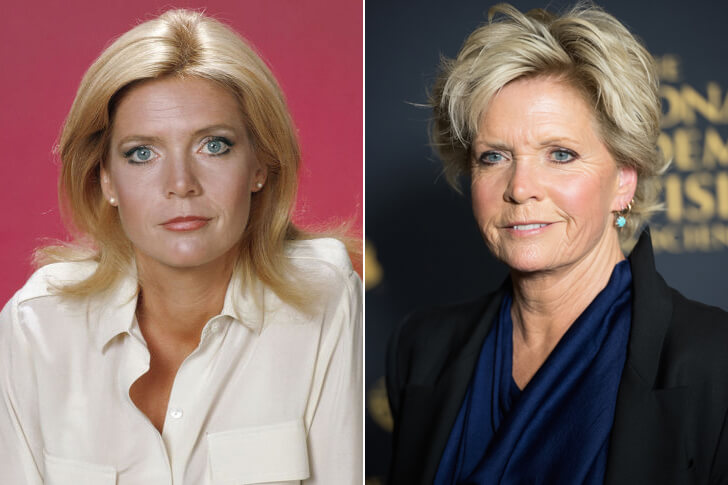
When Baxter started appearing on TV in the mid-1970s, she quickly caught viewers' attention. Not flashy or loud, she brought a grounded vibe that made scenes resonate. Early on, Family showcased this talent, emphasizing quiet moments and simmering emotions. With Family Ties, she became a fixture in America's weekly routine, presenting relatable family dynamics that millions connected with.
Despite long shoot days, her performances were effortlessly smooth, moving from humor to tension naturally. Her dramatic abilities were recognized in 1992 with an Emmy nomination. Off camera, she turned to painting as a personal retreat, offering a slower, more private balance to her TV career.
The One Backyard Toy That Made Lee Majors Feel Unstoppable
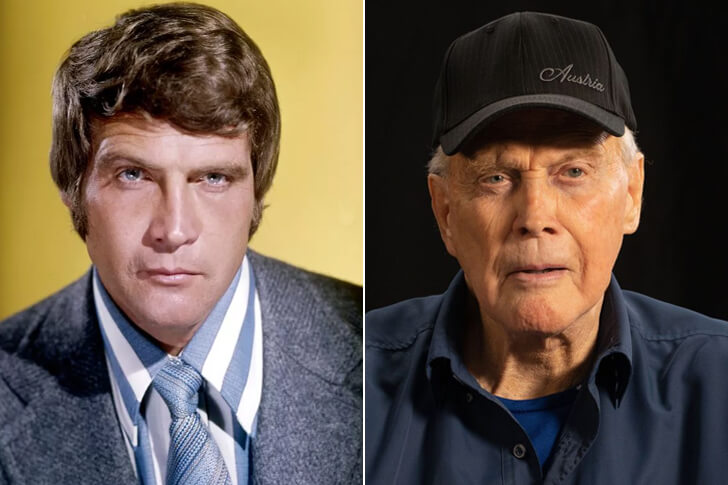
When Majors appeared on primetime in the late 1960s, he exuded a calm, unbothered confidence. He truly broke through on "The Big Valley," his steady presence holding scenes effortlessly. Then in 1973, The Six Million Dollar Man catapulted him to pop culture stardom, making him the face of TV adventure. Kids everywhere began emulating the show's larger-than-life action.
Days on set were no joke, with stunts requiring real planning and resilience. Between takes, Majors occupied himself by designing and sketching prop ideas. In 1983, his consistent, engaging screen presence garnered a Golden Globe nod. A sports injury in college had already shifted his path from athletics to acting, a career that ultimately defined him.
The One Movie Role That Turned Ali MacGraw Into a 70s Icon
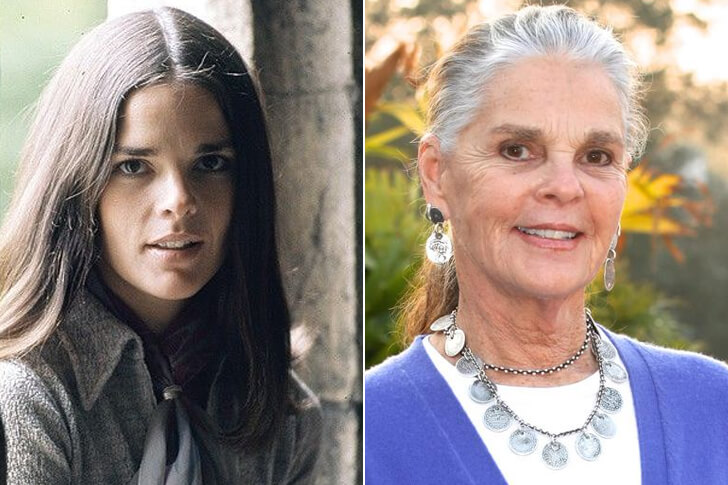
If you paid attention to American movies in the early 1970s, you remember MacGraw as the new face of the moment. She had that effortless pull, like the camera simply liked her. It really kicked off in 1969 with Goodbye, Columbus, where she landed jokes with a dry edge and carried a quiet intensity. Then 1970 hit, and Love Story became a full-blown worldwide phenomenon.
That breakout performance brought her an Academy Award nomination and locked in her star power. Soon after, The Getaway nudged her into tougher, action-packed territory with a major leading man. Her early Vogue influence showed through—polished but never stiff. Later, her priorities shifted to meditation, embracing a more mindful, spiritually centered routine that changed her life's rhythm.
The Sketchbook That Kept Patrick Duffy Sane
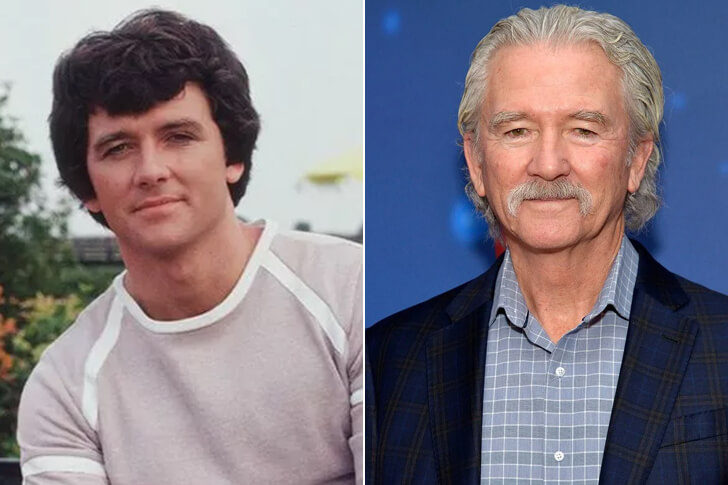
The actor is tied to a specific slice of TV history. He first appeared in 1977 with the charm of Man from Atlantis. Then in 1978, Dallas exploded, and Bobby Ewing became the calm center of primetime's loudest storm. The schedule was relentless, the story moved fast, and emotions flipped on a dime. With sudden turns and cliffhangers, even the cast could barely guess what was coming next.
Before cameras, he trained on stage with a focus on movement, perfect for the physical wear of long shoot days. Off set, he leaned into architecture, sketching house ideas as a reset button. He also appeared on Broadway in The Subject Was Roses. Later, ranch life became a routine, a seasonal breather that helped him stay steady.
The One Movie Contract She Walked Away From, and the Life She Chose Instead
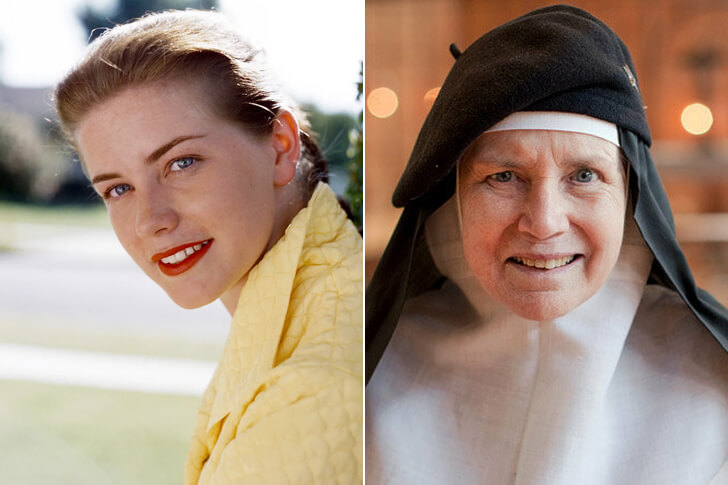
Dolores Hart made a significant impact on early 1960s films. She impressed alongside Elvis Presley in Loving You and displayed depth in Francis of Assisi. Her career trajectory suggested bigger roles and greater fame, but she unexpectedly left Hollywood.
Seeking clarity, she went to the Abbey of Regina Laudis for a new purpose. Her work on Broadway, including The Pleasure of His Company, had honed her skills, earning her a 1959 Tony nomination. Years later, she emerged as an author, chronicling her journey in a 2013 memoir that intrigued readers.
The One Thing Everyone Remembers About George Hamilton (Born 1939)
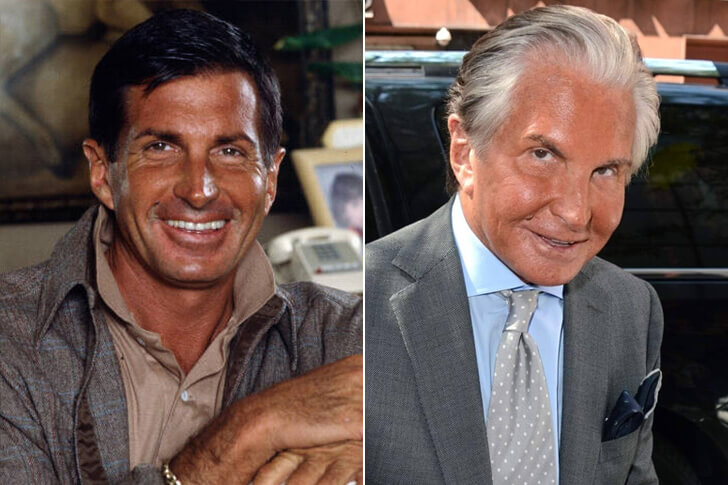
Hamilton hit the late 1950s movie world with a cool, polished vibe. Many first noticed him in Where the Boys Are, a coming-of-age film that captured Hollywood's youth wave. He soon gained more attention in Your Cheatin’ Heart, playing a biographical role with steady confidence. This early success marked him as a rising star, not just a passing figure.
In 1960, Hamilton won a Golden Globe for Most Promising Newcomer, confirming his early buzz. Off-screen, his high-profile social life became synonymous with his image. In 2011, he surprised audiences by touring with La Cage aux Folles, showcasing his adaptability. Later, he built a successful cigar business, perfectly reflecting his personal style.
The One Hit Single That Supercharged Connie Stevens’ Career
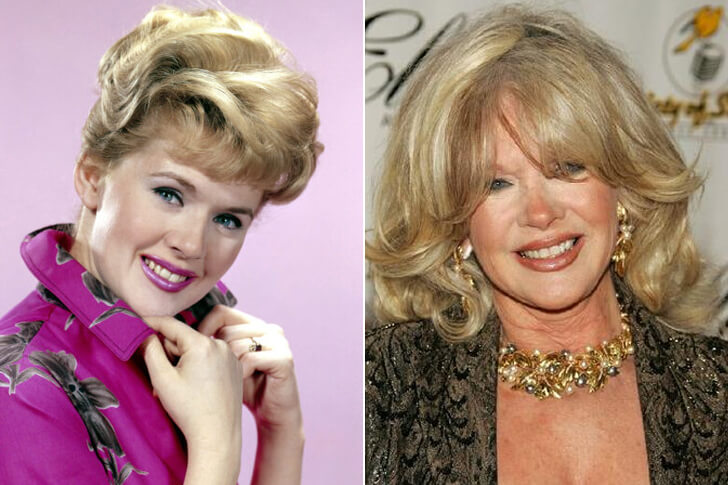
By the late 1950s, Stevens was picking up speed, going from “one to watch” to a recognized name. Her role on Hawaiian Eye kept her busy, balancing scripts and recording sessions. Then 1960 hit, and so did “Sixteen Reasons.” The single climbed the charts, turning her steady rise into a pop culture moment, surprising even those who thought they’d seen it all.
Early 1960s film roles followed, and she became a regular in breezy teen comedies. Having started singing with a family group, rehearsals were familiar. Later, she expanded creatively by directing Saving Grace, proving she could run the show, not just star in it. She also built a successful cosmetics line through hands-on testing and genuine curiosity about effective products.
The One Object That Keeps Jack Nicholson Interesting (Born 1937)
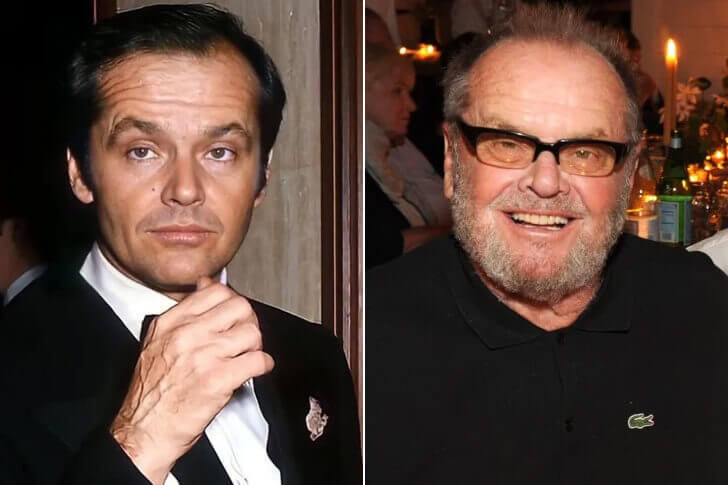
By the late 1960s, Nicholson snapped into focus, especially in 1969 when Easy Rider flipped the vibe of American movies. He didn’t coast on that moment. Five Easy Pieces arrived with raw tension, making quiet scenes feel loaded. Then came Chinatown, a sleek anchor for noir fans seeking sharpness. In The Shining, he took audiences somewhere genuinely unnerving, keeping the intensity tight.
In 1997, praise rushed back with As Good as It Gets, mixing warmth with an edge. Before these prestige roles, he stacked up parts in the studio system, polishing his rhythm. Later, he eased away from filmmaking, drifting back to painting, swapping sets for something calmer and more on his terms. This quieter work still keeps the creative muscles moving.
The Little Detail in Leslie Caron’s Career That Explains Everything
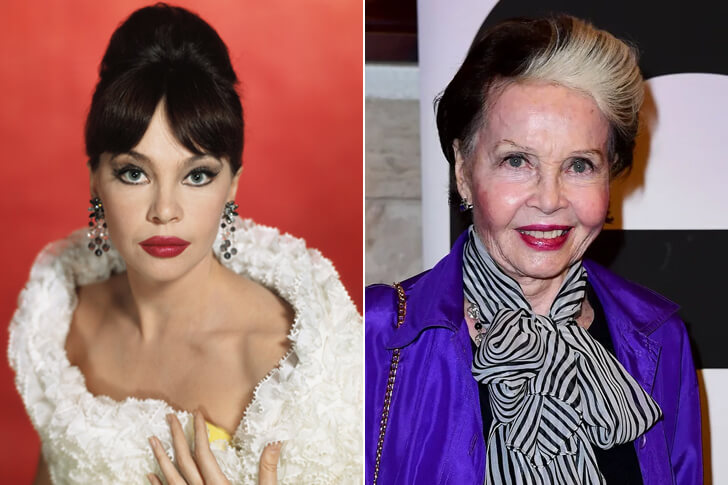
Not many dancers hit the screen and instantly feel like the main event, but Caron did exactly that when An American in Paris charmed audiences with its glossy, feel-good energy. She didn’t just ride the musical wave, she deepened it. In Lili, she showed more texture and heart, earning an Academy Award nomination. Then came Gigi, a hit that cleaned up at the Oscars and made her the face of a major musical moment.
That effortless grace was no accident. Her Paris ballet training gave her posture, timing, and control that read beautifully on camera. By the 1970s, she shifted gears, taking fewer film roles to focus on writing. Decades later, a 2010 Honorary César Award highlighted her range beyond dance. She also surprised fans by running a boutique hotel in Burgundy, personally greeting guests.
The One Small Role That Quietly Set Robert Duvall Up for Everything
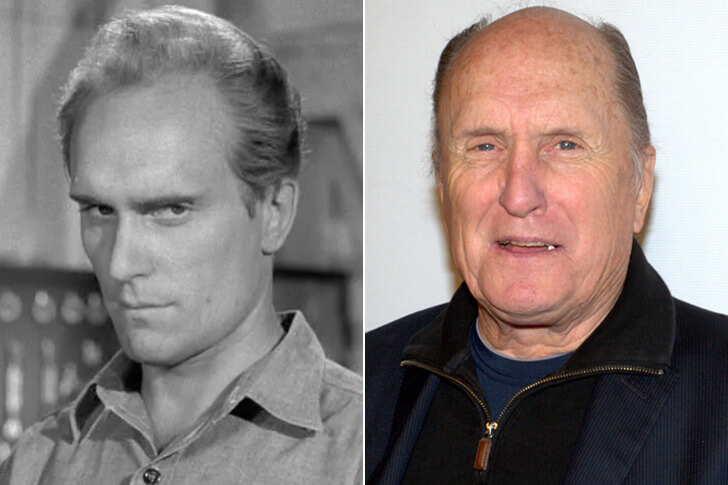
Before he became a trusted cinematic presence, Duvall honed his skills onstage, sharpening his timing and grounded presence. Wider recognition came with To Kill a Mockingbird, as he stepped into a timeless classic. By 1972's The Godfather, his controlled intensity made a lasting impact without shouting for attention.
Building on his authority, the actor brought steady pressure to Apocalypse Now amid chaos. The industry heeded his talent when Tender Mercies earned him an Oscar, a deserved nod. In 1996, tango lessons in Buenos Aires shifted his creative rhythm. Loyal to smaller projects, he kept choices sharp and interesting, even with major offers.
The One Golden Globe That Turned Angie Dickinson Into a TV Legend
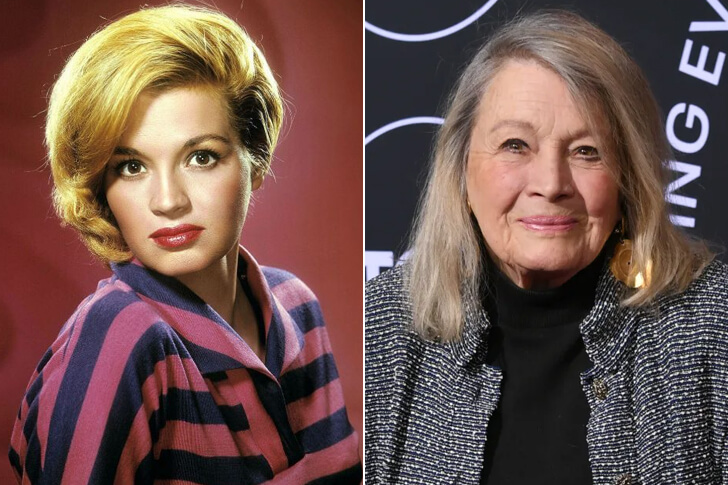
When Angie showed up on TV in the 1950s, she didn’t look like someone "breaking in," she appeared as if she already belonged. By 1959, she made a serious impression in Rio Bravo, matching the energy in scenes with John Wayne. Soon after, she became a household name thanks to Police Woman, the kind of hit that wins hardware (hello, Golden Globe). The schedule was intense, but she adapted quickly, keeping every scene effortless.
Before acting became her main gig, the actor worked as a secretary, making her later screen confidence even more satisfying. Off set, she collected Hollywood lore through poker nights with Frank Sinatra’s crowd, stories fans still love to trade. Appearing in Ocean’s Eleven reminded people why she’d stayed watchable for so long. It wasn’t reinvention; it was like a reunion, a familiar face with steady charm.
The One Thing That Made Billy Dee Williams Impossible to Ignore
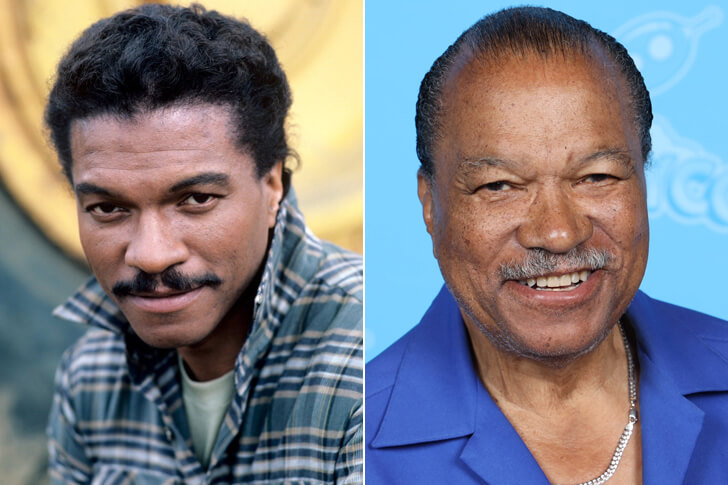
Charm never tiptoed in with Williams; it walked right through the front door. By the 1970s, he had become a face you could not miss in American movies. Many noticed his rise in Lady Sings the Blues, where he played opposite Diana Ross. Then came 1980’s The Empire Strikes Back, and Lando Calrissian’s smooth confidence made the character iconic.
During that run, he bounced between genres like it was no big deal. Romance one minute, action the next, and it all felt natural. Away from the cameras, painting stayed a steady creative home base. Later, he leaned into voice work, including animated Batman projects that put his calm, unmistakable delivery to good use. He also coauthored a noir-tinged novel in 1999.
The Vintage Headshot That Tells Ann McCrea’s Whole Story
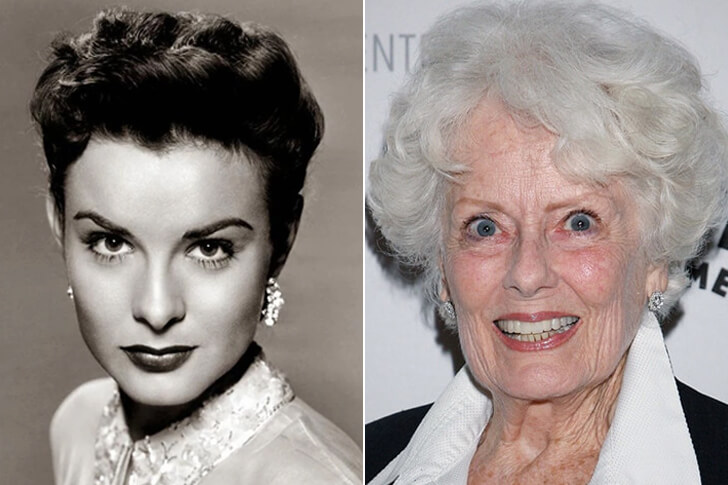
Back in the early 1960s, TV felt brighter when Ann appeared on The Donna Reed Show. She had a warmth that made even small scenes feel friendly. Through the decade, she landed roles blending humor with real heart, as family-centered storytelling became a national comfort watch. She also ventured into film, including Welcome to Hard Times, showcasing her ability to handle dramatic tones.
Long before acting, she was a model, learning to hold a room and camera with confidence. That polish paid off as her screen career grew, especially with scripts demanding sharp comic timing. Later, she embraced a quieter life, staying involved in California arts and community efforts. Off set, she began making handmade gifts, a sweet tradition among friends.
Why That Small-Town Diner Booth Keeps Popping Up in Ron Howard’s Story
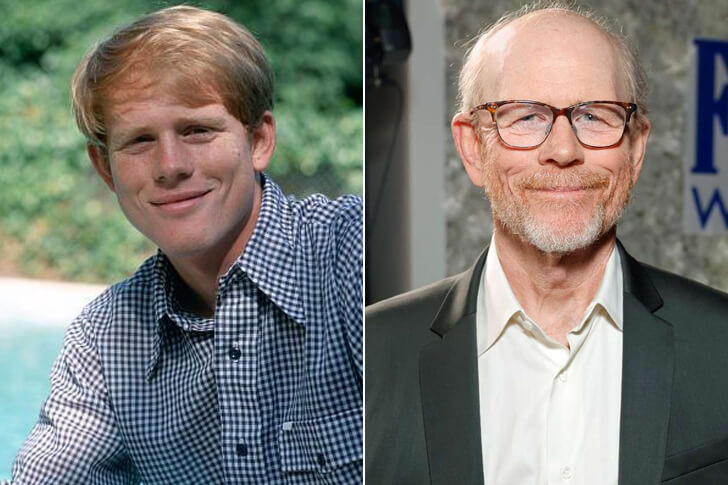
It’s hard to talk about the way American TV grew up without picturing Howard in the middle, delivering simple, steady storytelling. The Andy Griffith Show made him a fixture as Opie, the kid you felt you knew if your family watched together. Then Happy Days arrived and the vibe got slicker. Even with cooler energy, his laid-back charm still landed, and his humor stayed warm.
The directing bug showed up early, feeding it with short projects. The big moment came in 2002 when A Beautiful Mind swept major Awards, proving he wasn’t just dabbling. His curiosity about history flowed into documentaries. He’s also known for dropping into diners, soaking up stories like those from his earliest roles.
The Strange Little Thing That Made Shirley MacLaine Unforgettable
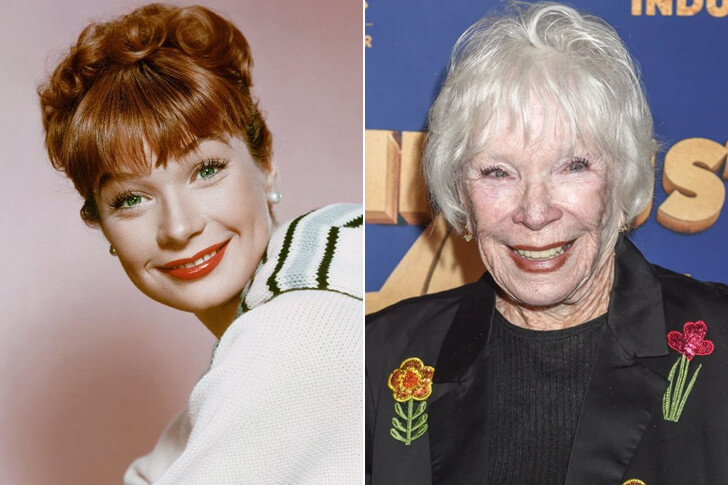
Not many performers hit mid-century Hollywood with the weird, bright electricity MacLaine had from the start. You can feel it in The Trouble with Harry, where her playful timing and slightly unpredictable vibe give the movie an extra kick. It is not loud or showy, it is just there, like she is in on a joke nobody else has heard yet. That quality gets richer in The Apartment, balancing sharp comedy with a soft ache underneath, making the laughs land harder because the feelings are real.
Then came the big moment in 1983: Terms of Endearment, which earned her the Academy Award for Best Actress. Before film made her a household name, she was a Broadway chorus dancer, with rhythm, control, and the ability to stay cool under pressure. Later, she showed another side through travel writing, turning long trips into stories she retold with dry humor, the kind you share with friends on a quiet night in.
The One Leather Jacket That Turned Henry Winkler Into a TV Legend
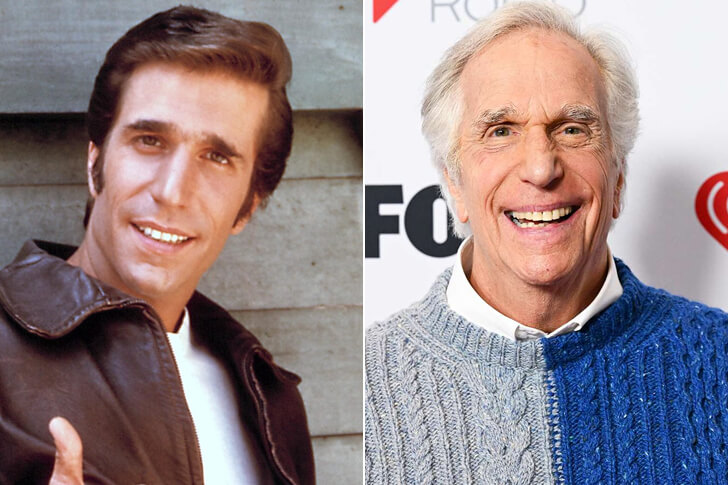
People forget how hard TV snapped to attention when Happy Days introduced Fonzie and that effortless cool. The sitcom transformed into more than just punchlines, gaining heart and rhythm, with each episode feeling like hanging out with friends. Fame meant a nonstop schedule, but Winkler managed to sneak in easygoing moments off-camera. When a scene needed an emotional pivot, his early acting training showed up fast, clean, and confident.
By 1977, Heroes showcased Henry's range, proving he could handle drama beyond charm and comedy. In 2004, a surprising chapter began as the actor published children’s books, connecting with young readers. Over the years, he embraced mentoring, offering practical advice to newer performers—guidance that helps keep creative people steady while pushing them to take risks and grow.
The One Emmy Shelf Item That Put Ann Elder on Everyone’s Radar
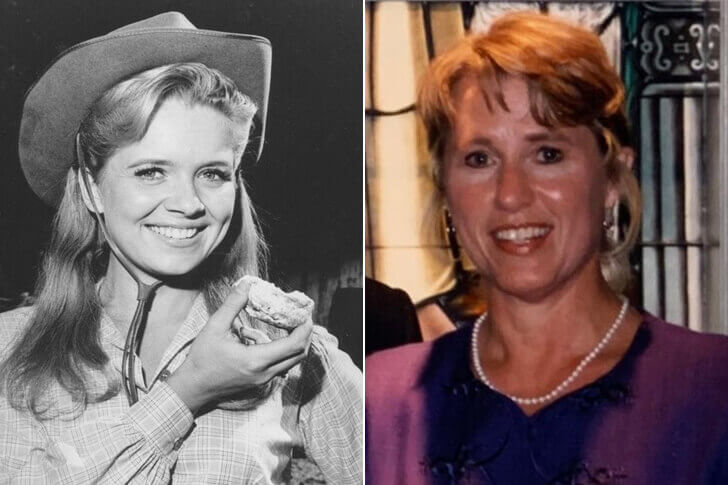
By the early 1970s, comedy still felt wild, and Elder thrived on the unpredictable energy of Rowan and Martin’s Laugh-In. The show’s sketches could flip from neat to chaotic instantly, and she managed it with sharp timing and a mischievous vibe. Her characters kept audiences alert, and her instincts landed the material, even when the format got messy. Her work on Lily earned her an Emmy, surprising those who saw her as the quiet pro off-camera.
She didn’t limit herself to TV. The comedian took small film parts, including Don’t Make Waves. Her past as a model helped with quick costume changes. Her writing gained momentum, earning a second Emmy in 1976 for another Lily Tomlin special, proving it wasn't a fluke. She also moved into producing with A Funny Thing Happened on the Way to the White House, showing she could steer the comedy ship, not just deliver punchlines.
The Saddle-Worn Secret Behind Robert Fuller’s TV Reign
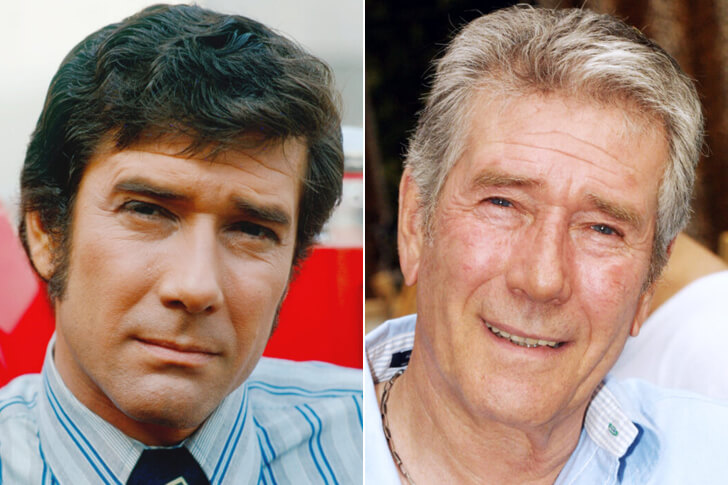
Back when Westerns owned American TV, Fuller looked like he belonged on a sunbaked trail. His big break came in 1959 with Laramie. He played a lead you could trust, steady and sharp, making frontier drama click. The audience bought in, and he became a familiar face. He continued on Wagon Train, with wider stories and rugged scenery.
By 1972, the actor switched gears with Emergency!, trading dusty streets for modern rescue. His calm presence made the shift natural. Off camera, he stayed close to rodeo life. Western heritage groups honored him, and a German fan club continues to celebrate his legacy annually.
The One Movie That Flipped Hollywood for Warren Beatty (Born 1937)
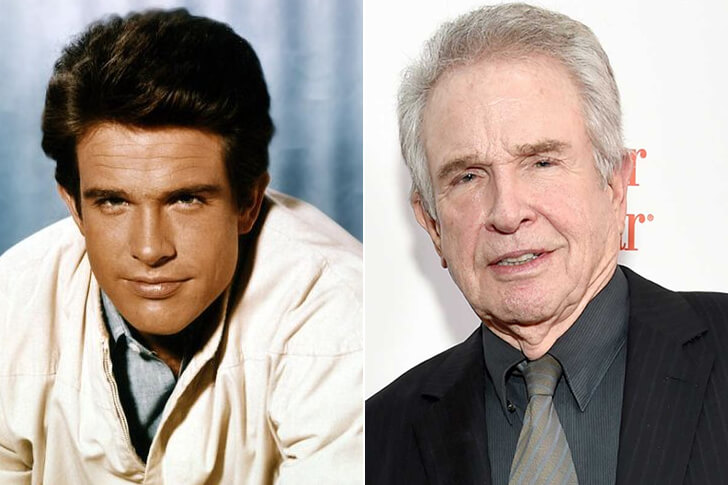
Beatty hit at the moment American movies were ready to try something bold. When Bonnie and Clyde exploded onto screens, it made the industry rethink what audiences would show up for. Filmmakers suddenly had permission to take bigger swings. Then Shampoo arrived with sly humor, and the Golden Globe that followed felt like a neat stamp of approval. By then, his momentum was impossible to ignore.
That ambition got louder in 1981 with Reds, earning him an Academy Award. Much of his confidence came from the unglamorous side of the craft. He later talked about long hours spent watching cuts, studying edits, and figuring out why certain choices land. That patience shows in his work behind the scenes. Even now, film historians point to his take-charge style as a producer when discussing how risky, creative projects get made.
The One Weird Hallway Entrance That Made Michael Richards a TV Legend
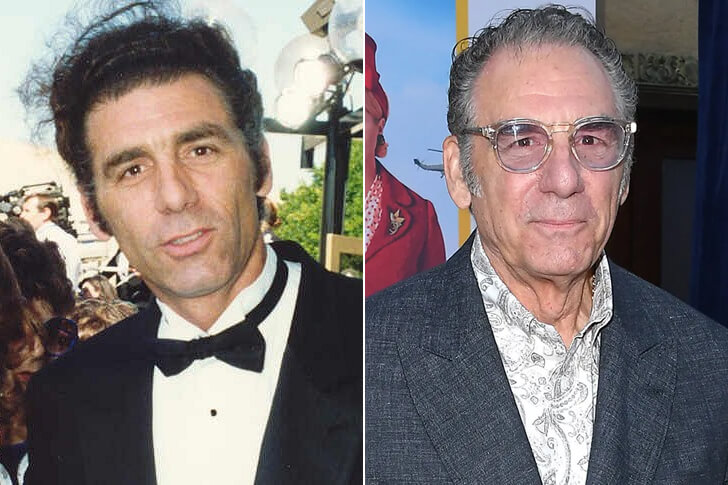
The actor became one of the defining faces of 1990s TV comedy by simply walking into a room. When Seinfeld introduced that offbeat neighbor in 1989, a basic hallway entrance turned into a mini event, part chaos, part precision, always funny. Those three Emmy wins were not just a popularity prize; they highlighted how his physical comedy stretched what a sitcom performance could look like, without ever losing the joke.
That breakout wasn't sudden. Back in 1980, he appeared on Fridays, a sketch show where sharp timing mattered more than polish. Later, in 1992, improv workshops pushed him to take bigger swings, making laughs feel like lightning. His secret weapon was a mime background, granting tight control over every twitch and stumble, ensuring even the most frantic movement landed with purpose, not randomness.
The Dallas Firefighter Who Ended Up Stealing Scenes in a Western Comedy
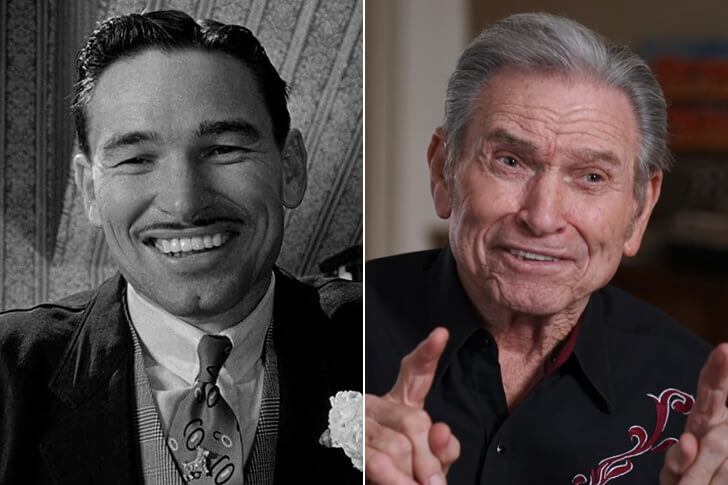
Burton didn’t take the usual route into Hollywood. He started with the Dallas Fire Department, then pivoted into movies. Filmgoers noticed him when Blazing Saddles showcased his comic instincts, transforming his life. Even before that, Paper Moon (1973) hinted at his potential with a natural vibe that made him easy to watch.
In the 1980s, TV guest spots kept him in the public eye, with directors relying on his delivery. At the same time, commercials gave him recognition beyond movie fans. Despite more screen work, Gilliam never abandoned his firefighting roots and often appeared at charity events. Before acting, he competed in Golden Gloves boxing, reflected in his movement and screen presence.
The Unexpected Role That Turned Michael Gross Into a Living Room Staple
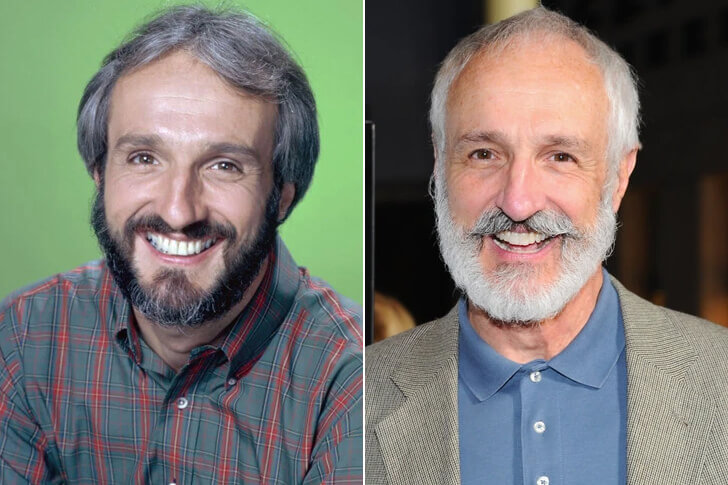
The actor became a familiar face in American living rooms with Family Ties, where his calm, relatable presence helped keep the sitcom feeling real, even when jokes got big. Later, he found new fame with Tremors, a monster movie that grew into a cult obsession. His time in Yale’s drama program gave him technical polish, evident in the timing and confidence audiences loved.
In the 1980s, he kept busy in films, showcasing more range than most sitcom dads. Directors leaned on his consistency, knowing he prepared thoroughly and made scenes work. In 1996, he ventured into documentary narration, lending a clear voice to environmental topics. Away from sets, photography became a quiet creative outlet, providing a break from the spotlight.