
Three quick checks I do before I buy: hardware, lining, and the boring receipt details.
Hardware that doesn't quit (and why it matters more than the label)
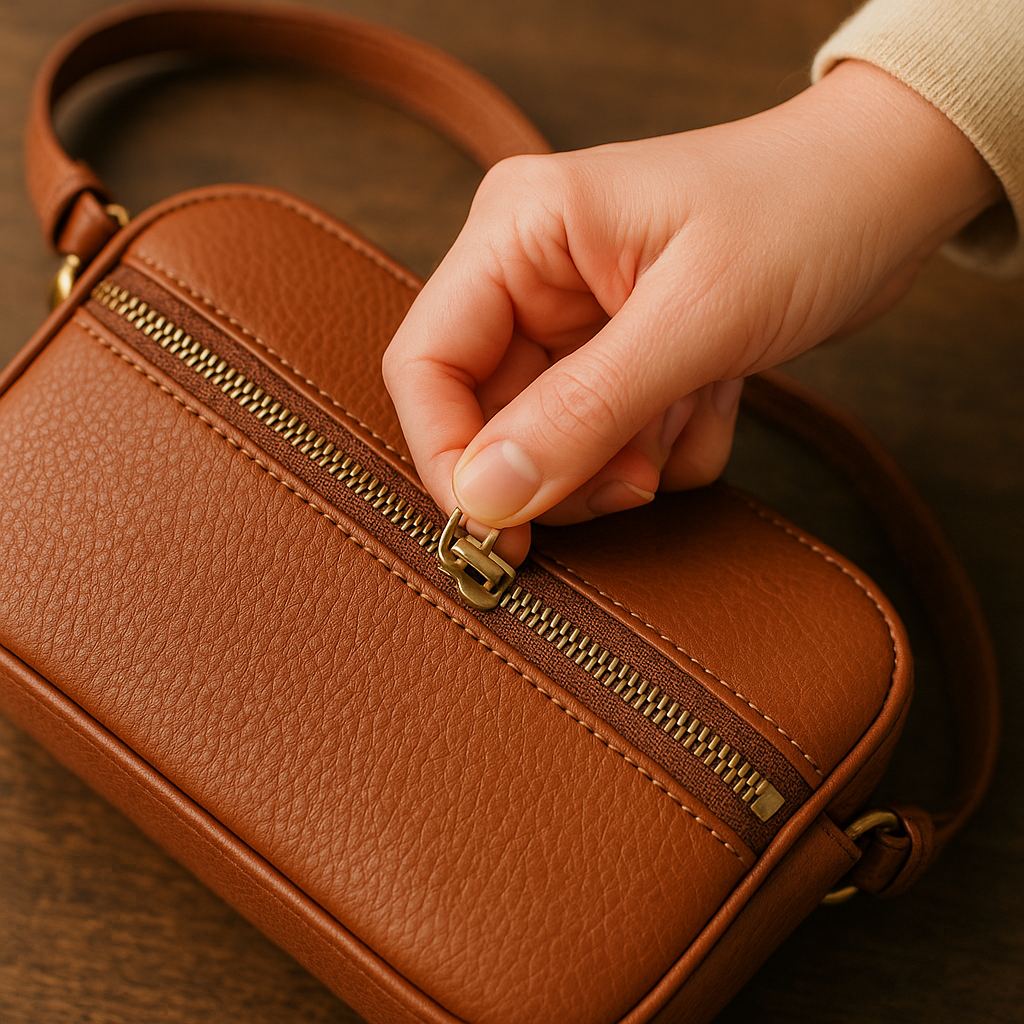
If I'm trying to buy fewer accessories, I start with the least glamorous part: the hardware. A bag can be organic-this, recycled-that, but if the zipper splits the third time you yank it in a parking lot, it's not eco-friendly. It's landfill-speed. My quick check is simple and a little nosy: I hunt for a stamped zipper (YKK is the most common good sign, RiRi on pricier stuff), then I run it fast, one-handed, like I'm late for a train. It should glide without snagging at the corners, and it shouldn't feel like the teeth are grinding. If a zipper catches now, it'll catch worse once the tape gets dusty and the bag gets stuffed.
Next, I test the clips and rings. On crossbodies and straps, I rotate swivel clasps and make sure they don't squeak or bind. I also squeeze the spring gate with my thumb. If it takes a weird angle or feels gritty, that's usually cheap plating over soft metal. For a belt bag, I tug the buckle as if I'm tightening it over a coat. For jewelry, I do the same mindset: lobster clasps should snap closed cleanly; jump rings should look fully closed, not like a tiny oval that's ready to gap.
This isn't me being precious. It's me remembering the "sustainable" tote I babied for two months before the strap hook bent open on a grocery run. I ended up buying a replacement strap, then another bag, and suddenly my attempt at mindful shopping turned into a mini supply chain. Durable hardware is boring, but it keeps you from rebuying the same item in three different colors out of frustration.
The lining test: where "recycled" gets sloppy fast
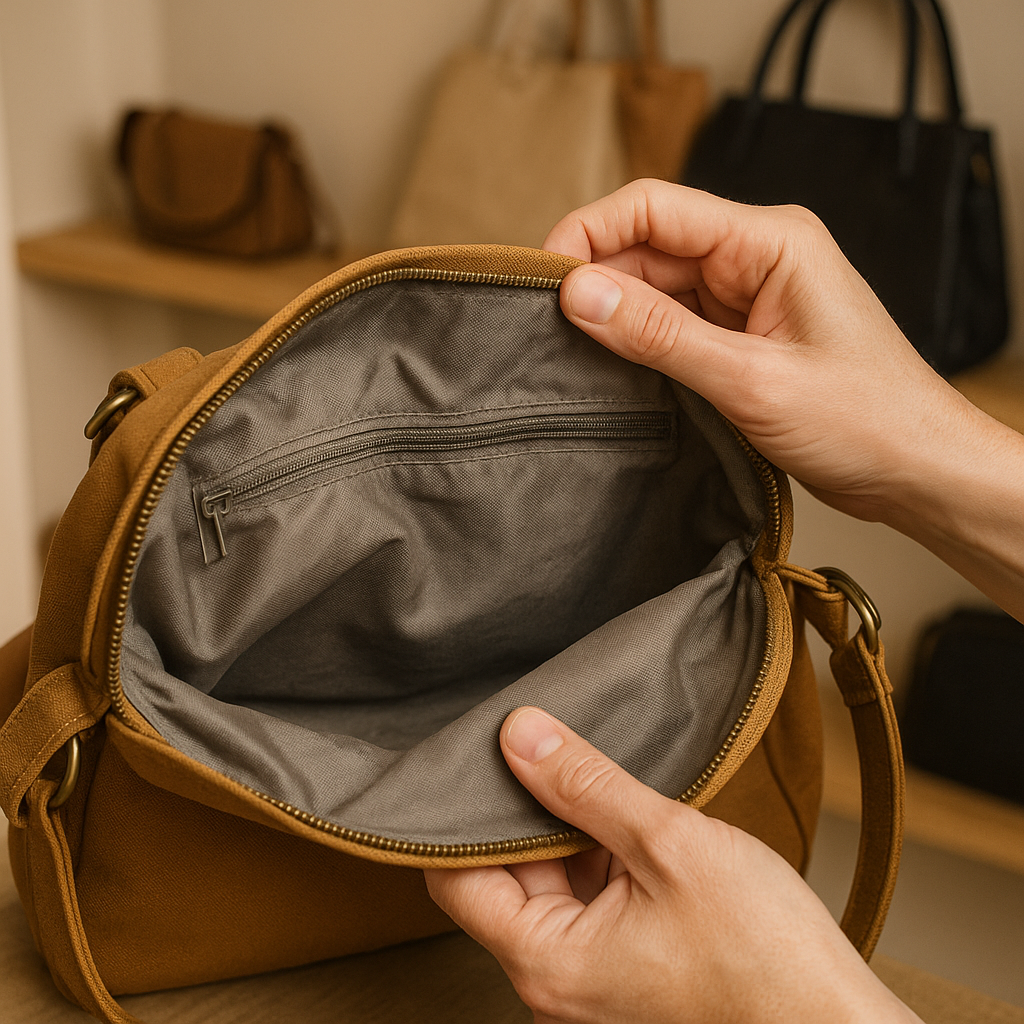
When I'm choosing accessories with lower-impact materials, the inside is where I catch most of the "sounds good online" problems. Recycled polyester linings can be great, but some are so thin they shred at the seam allowances the moment you toss in keys and a pen. So I do a lining test that feels slightly ridiculous in a boutique: I open the bag wide, pull the lining away from the outer shell, and check three things without overthinking it.
First, seam finish. I don't need couture binding, but I do want clean stitching and edges that look like they were meant to survive friction. Loose threads around pocket corners are the first place holes start. Second, hand feel and noise. A lining that crackles like packaging tends to crease hard, which turns into permanent white stress marks (especially on dark linings) and then tears along those crease lines. Third, weight. If the brand is touting a tougher recycled fabric, you should feel it. Some bags use a nice outer material, then a bargain-bin lining that sabotages the whole thing. If the tag mentions something like recycled CORDURA, I still check the feel because "recycled" isn't a magic durability spell.
I also look at the zipper tape on internal pockets. Cheap tape frays, and once it starts fuzzing, it catches the zipper and you get that infuriating little snag every time you open it. Same goes for pouches and wallets: I flip them inside out as much as I can and look for areas that will rub constantly, like where a card slides in and out or where a keyring bangs around.
All of this is still accessorizing, just from the angle people skip. A bag that holds up is the greener choice even if the marketing is quieter. And honestly, once you start checking linings, you can spot the "premium" version of a silhouette in ten seconds, which makes it easier to buy one thing and be done.
Ask for the boring proof: repairs, parts, and the receipt trail
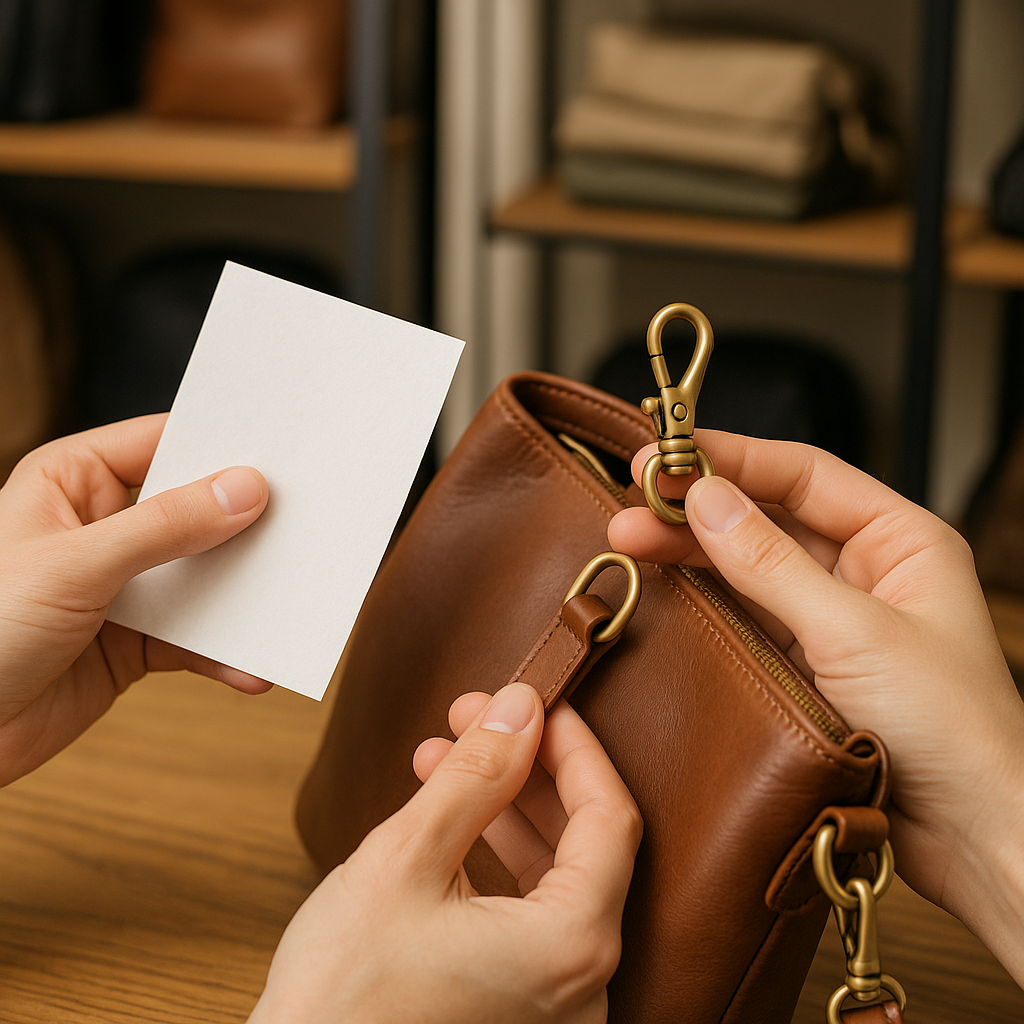
My favorite eco-friendly shopping move is also the least aesthetic: I ask about repairs. Not in a "gotcha" way. More like, "If this strap hardware breaks, can I buy the part?" The answer tells you more than a leafy icon on a product page. Brands that build for longevity usually have a straight policy, even if it's not perfect. Patagonia's Worn Wear program is the famous example in the clothing world, but the principle applies to bags, belts, sunglasses, and jewelry too: can they fix it, and do they keep parts available?
In-store, I keep it simple. I ask whether they stock replacement straps, buckles, or screws (sunglasses especially), and whether warranty claims require proof of purchase. If the associate can't answer, I ask if it's written anywhere. Online, I look for a dedicated repairs page and read it like a grump. I'm not hunting for poetry, I'm hunting for logistics: turnaround times, what they will not repair, and whether they charge shipping both ways. A brand that wants you to keep the item should make the process clear.
Then there's the receipt trail. If I'm buying resale, I want at least a traceable seller and a listing that shows the actual item, not a stock photo. For new purchases, I save the emailed receipt and take one quick photo of the care card or serial number if it has one. It's boring until it's not. The day a rivet pops or a clasp snaps, you either have a path to repair, or you're standing in your closet holding a "sustainable" purchase you can't service.
This is the part of accessorizing people don't post. But it changes how you buy. When you know you can replace a screw or send a bag in, you're far more likely to pick one good piece and wear it hard, instead of cycling through three "almost" options that never quite behave.